

The Schengen Area, a border-free zone covering much of Europe, has long been a dream destination for travelers seeking ease of movement across countries. However, recent updates to Schengen travel regulations are changing the way travelers enter the area. Whether you’re planning a vacation or a business trip, understanding how the new entry checks will work is crucial for a smooth journey. In this blog post, we will dive deep into the latest Schengen travel updates and what you need to know about the new entry checks.
What is the Schengen Area?
Before we delve into the specifics of the new entry procedures, let’s quickly recap what the Schengen Area is. The Schengen Area consists of 27 European countries that have abolished internal borders, allowing citizens and visitors to travel freely between them. This includes popular destinations like France, Germany, Spain, and Italy. However, while you won’t face passport control between these countries, there are still important rules for entering the area that every traveler must follow.
The Latest Schengen Travel Update: New Entry Checks
1. ETIAS (European Travel Information and Authorization System)
A major change coming in 2024 is the introduction of the European Travel Information and Authorization System (ETIAS). If you’re traveling to the Schengen Area from a country that doesn’t require a visa, you’ll need to apply for travel authorization through ETIAS. This system is similar to the U.S. ESTA (Electronic System for Travel Authorization) and aims to enhance security within the Schengen Area.
- What You Need to Do:
- Apply for ETIAS online before your trip.
- The process is straightforward, requiring basic personal and travel information.
- Once approved, you will receive an electronic travel authorization linked to your passport.
- ETIAS is valid for up to three years, allowing multiple entries during that period.
This change is designed to streamline travel and bolster security, providing authorities with crucial information on travelers before they even step foot in the Schengen Area.
2. Stricter Passport Control Measures
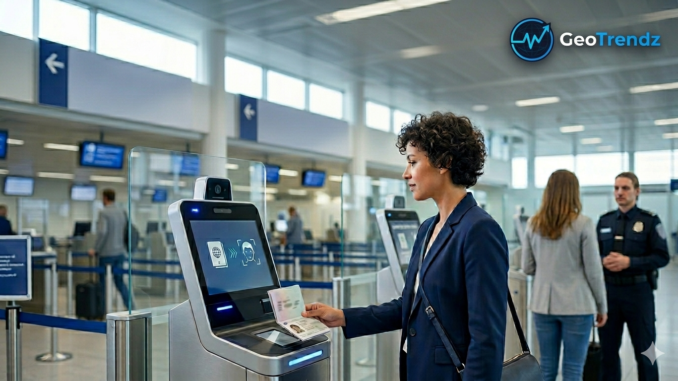
Although the Schengen Area aims to remain largely border-free, entry checks are getting stricter. Travelers entering from non-Schengen countries will face enhanced border control checks. This includes biometric data collection, such as fingerprint scanning and facial recognition, which will be processed via the newly introduced Entry/Exit System (EES).
- What This Means for You:
- At your point of entry, expect to provide fingerprints and a facial scan.
- These checks aim to reduce illegal immigration, enhance security, and speed up entry for legitimate travelers.
- The EES will also track your entry and exit times, ensuring that you don’t overstay your allowed duration in the Schengen Area.
3. Increased Border Surveillance for High-Risk Areas
As part of the updated measures, some countries within the Schengen Area have implemented more rigorous border checks, especially at high-risk entry points. This is in response to concerns about security threats, including terrorism and illegal border crossings.
- What Travelers Should Know:
- If you’re entering from an area deemed high-risk (e.g., airports or land borders with countries facing instability), you may face more frequent checks.
- Be prepared for delays or additional questioning at border control.
4. The Schengen Information System (SIS) Update
The Schengen Information System (SIS) has been upgraded to include more data points about individuals traveling within the Schengen Area. This includes not only information about people with a criminal record or those who pose a security threat but also more detailed records on overstays or visa violations.
- How It Affects You:
- If you’re traveling to the Schengen Area, your details will be checked against the SIS database.
- It’s crucial that your travel documents are in order to avoid complications.
Impact on Travelers: What You Need to Know
1. Planning Ahead is Key
The changes to Schengen travel may require you to plan your trip more carefully. With new entry requirements, such as the ETIAS application and biometric checks, it’s important to apply for any necessary travel authorizations well in advance of your trip.
2. Ensure Your Documents Are Valid
With the enhanced entry checks, having your travel documents (passport, visa, etc.) in order is more important than ever. Make sure your passport is valid for the required duration, as some countries may require you to have a passport that’s valid for at least six months after your planned departure date.
3. Expect Longer Wait Times
Given the introduction of biometric data collection and other entry checks, travelers should anticipate longer wait times at border control, especially during peak travel seasons. Arriving early at airports or train stations is a smart move to account for potential delays.
4. Stay Informed
The rules surrounding the Schengen Area can evolve, and staying up-to-date with the latest changes can help avoid surprises. Always check for any updates on travel requirements before your trip.
How to Prepare for the New Schengen Entry Checks
- Apply for ETIAS: If applicable, ensure your ETIAS authorization is obtained before your trip.
- Get Your Documents Ready: Make sure your passport is up to date, and if needed, apply for a visa or Schengen Area travel permit.
- Allow Extra Time at Border Control: Arrive earlier at airports and border stations to account for new entry checks.
- Be Aware of Security Measures: Be prepared for biometric data collection and other security checks.
Conclusion
The new Schengen travel updates are designed to improve security and streamline the travel process for legitimate visitors. By staying informed and prepared, you can ensure your trip goes smoothly despite these new changes. Whether you’re planning a short vacation or a longer stay, understanding how entry checks work in the Schengen Area will help you navigate the system with ease and confidence.
Safe travels, and remember: a little preparation goes a long way!