

Introduction
In the digital age, the emergence of e-commerce and online business has revolutionized the way we shop and conduct business. With the click of a button, consumers can now browse, compare, and purchase products from the comfort of their own homes, while businesses have expanded their reach beyond geographical boundaries. This article explores the transformative power of e-commerce and its impact on the world of online business.
The Growth of E-commerce
E-commerce, or electronic commerce, refers to the buying and selling of goods and services online. Over the past decade, e-commerce has experienced exponential growth, with more and more consumers embracing the convenience and accessibility it offers. The proliferation of smartphones and improved internet connectivity have been significant catalysts for this rapid expansion.
The Advantages of E-commerce
- Global Reach: E-commerce has eliminated geographical barriers, allowing businesses to tap into a global customer base. Online stores can reach customers located in different countries, expanding their market potential and growth opportunities.
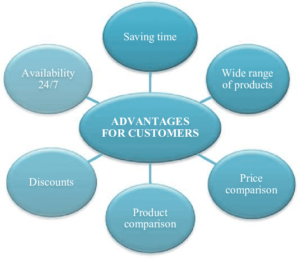
- Convenience: Online shopping offers unparalleled convenience. Consumers can browse and purchase products anytime, anywhere, without the constraints of physical store hours. Additionally, doorstep delivery and easy return policies have further enhanced the overall shopping experience.
- Cost Savings: E-commerce has reduced overhead costs for businesses by eliminating the need for physical stores and reducing staffing requirements. These savings can be passed on to consumers in the form of competitive pricing, discounts, and special offers.
- Data-driven Insights: Online businesses can gather valuable data on consumer behavior, preferences, and purchasing patterns. This data can be leveraged to personalize marketing strategies, optimize product offerings, and enhance the overall customer experience.
Challenges and Solutions
While e-commerce presents numerous opportunities, it also comes with its own set of challenges.
- Security Concerns: Online transactions are susceptible to security breaches and fraud. To address this, businesses need to invest in robust security measures, such as encryption technology and secure payment gateways, to safeguard customer information.
- Logistics and Fulfillment: Efficient logistics and order fulfillment are crucial for successful e-commerce operations. Businesses must establish reliable shipping partnerships and streamline their fulfillment processes to ensure timely and accurate deliveries.
- Customer Trust and Experience: Building trust in the online realm is essential for e-commerce success. Providing excellent customer service, maintaining transparency, and implementing hassle-free return policies can foster trust and enhance the overall customer experience.
- Market Saturation: With the growing number of online businesses, competition is fierce. To stand out, businesses need to differentiate themselves through unique product offerings, exceptional customer service, and effective marketing strategies.
The Future of E-commerce
As technology continues to advance, the future of e-commerce looks promising. Here are a few trends to watch out for:
- Mobile Commerce: With the increasing adoption of smartphones, mobile commerce (m-commerce) is expected to dominate e-commerce. Optimizing websites and platforms for mobile devices and incorporating mobile payment options will be essential for businesses to stay relevant.

- Augmented Reality (AR) and Virtual Reality (VR): AR and VR technologies have the potential to transform the online shopping experience by allowing customers to virtually try on products or visualize them in their own space before making a purchase. This immersive experience can boost consumer confidence and drive sales.
- Personalization: E-commerce will continue to evolve towards personalized experiences. By leveraging data analytics and artificial intelligence, businesses can offer tailored product recommendations, customized marketing campaigns, and individualized customer support.
Conclusion
E-commerce and online business have reshaped the way we buy and sell products, transcending geographical boundaries and revolutionizing traditional business models. With convenience, cost savings, and global reach, e-commerce has become an integral part of our lives. While challenges persist, the future of e-commerce holds tremendous potential for growth and innovation. As technology continues to advance, businesses must adapt and embrace these changes to thrive in the digital marketplace.