

Introduction:
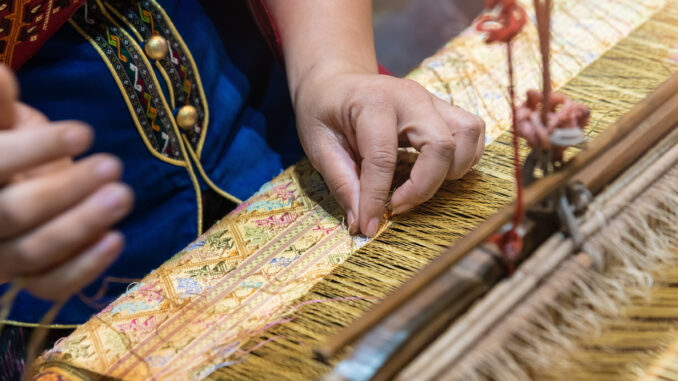
Indonesia’s textile heritage is a treasure trove of vibrant colors, intricate patterns, and centuries-old traditions. From the batik of Java to the ikat of Bali, the archipelago’s diverse cultures have woven a rich tapestry of fabrics that tell stories of heritage, identity, and craftsmanship. Join us as we embark on a journey to explore Indonesia’s textile heritage, unraveling its secrets and uncovering the beauty of its cultural tapestry.
Batik:
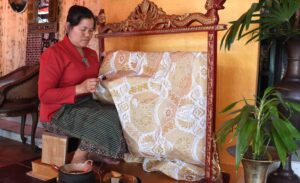
A Timeless Tradition At the heart of Indonesia’s textile heritage lies batik, a traditional fabric-making technique that has been practiced for centuries. Batik artisans use wax-resist dyeing to create intricate patterns and designs on cotton or silk fabric, resulting in stunning pieces that are revered for their beauty and symbolism. From the royal courts of Yogyakarta to the bustling streets of Jakarta, batik remains an integral part of Indonesian culture, worn proudly on special occasions and cherished as a symbol of national identity.
Ikat:
The Art of Warp and Weft Another cornerstone of Indonesia’s textile heritage is ikat, a technique in which threads are dyed before being woven into the fabric, creating intricate patterns and motifs. Ikat textiles are prized for their bold colors, geometric designs, and meticulous craftsmanship, with each piece reflecting the unique cultural identity of its region. Whether it’s the vibrant tenun ikat of Flores or the intricate ringing of Bali, ikat remains an enduring symbol of Indonesia’s rich textile tradition.
The Legacy of Weaving Communities Throughout Indonesia, weaving communities have preserved and passed down their textile traditions from generation to generation, ensuring the continuity of this ancient art form. From the highlands of Sumatra to the remote islands of Nusa Tenggara, skilled artisans continue to create exquisite textiles using traditional techniques and natural materials. These weaving communities play a vital role in safeguarding Indonesia’s textile heritage, preserving cultural identities, and fostering economic empowerment within their communities.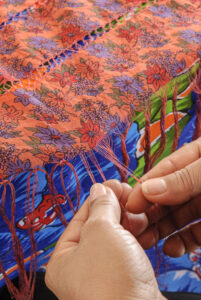
Reviving Traditional Crafts in the Modern Age In recent years, there has been a resurgence of interest in Indonesia’s traditional textile crafts, driven by a growing appreciation for handmade and sustainable products. Artisans and designers are blending traditional techniques with contemporary styles, creating modern interpretations of batik, ikat, and other indigenous textiles. From high-fashion runways to boutique shops, Indonesian textiles are gaining recognition both at home and abroad, serving as a source of inspiration for designers and fashion enthusiasts worldwide.
Preserving Indonesia’s Textile Heritage for Future Generations As Indonesia’s textile heritage continues to evolve, efforts are underway to preserve and promote these ancient crafts for future generations. Government initiatives, cultural organizations, and grassroots movements are working to safeguard traditional techniques, support artisan communities, and raise awareness about the importance of preserving Indonesia’s textile heritage. By celebrating and supporting Indonesia’s textile artisans, we can ensure that this precious cultural legacy continues to thrive for years to come.
Conclusion:
As we conclude our journey through Indonesia’s textile heritage, we are reminded of the beauty, diversity, and significance of this ancient craft. From the intricate patterns of batik to the bold designs of ikat, Indonesia’s textiles are a testament to the creativity, ingenuity, and resilience of its people. As we celebrate and honor Indonesia’s rich textiles, let us also recognize the importance of preserving these traditions for future generations, ensuring that the legacy of Indonesian textiles continues to inspire and enchant the world.