
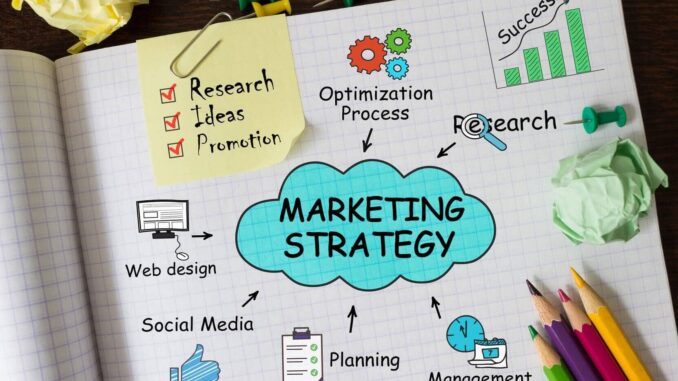

In today’s competitive business environment, small businesses must adapt quickly and find creative ways to grow. One of the most essential tools for small business success is a well-crafted marketing strategy. However, with limited resources and time, it can be challenging to know where to start. In this blog, we’ll explore effective marketing strategies that small businesses can implement to drive growth, boost visibility, and increase sales.
1. Understand Your Target Audience
Effective marketing begins with a clear understanding of your target audience. Knowing who your ideal customers are allows you to tailor your messaging and campaigns to meet their needs. This includes demographic factors such as age, gender, location, and income, as well as psychographic factors such as interests, behaviors, and pain points.
How to identify your target audience:
- Conduct surveys and polls to understand customer preferences.
- Analyze competitors to determine gaps in the market.
- Use analytics tools like Google Analytics and Facebook Insights to gather data on existing customers.
By understanding your audience, you can ensure that your marketing messages resonate with them and prompt action.
2. Leverage Social Media Marketing
Social media has become one of the most powerful marketing tools available to small businesses. Platforms like Facebook, Instagram, and Twitter provide an excellent opportunity to engage with customers and build brand awareness.
Key social media strategies for small businesses:
- Post consistently: Regular posts keep your business top of mind for your audience.
- Engage with followers: Respond to comments, messages, and mentions to create a two-way communication channel.
- Use hashtags: Increase your visibility by using relevant hashtags that relate to your industry.
- Run paid ads: Social media platforms offer targeted advertising options to reach specific customer groups.
A well-thought-out social media marketing strategy can help you build a loyal customer base, increase your reach, and drive conversions.
3. Email Marketing Campaigns
Email marketing remains one of the most effective strategies for engaging with customers and nurturing relationships. For small businesses, email marketing is cost-effective and allows you to directly communicate with your audience.
Tips for effective email marketing:
- Build a segmented email list: Segment your email list based on factors like customer behavior, interests, or purchase history to send more personalized messages.
- Offer value: Share valuable content, such as product updates, industry news, and special promotions.
- Keep it concise: People often skim emails, so keep your messages clear and to the point.
Email marketing is an excellent way to keep customers informed and encourage repeat business, making it a cornerstone of any small business marketing plan.
4. Content Marketing
Content marketing is about creating valuable, informative content that attracts and retains customers. This could be in the form of blog posts, videos, infographics, podcasts, and more. When done right, content marketing builds trust and authority within your industry.
Content marketing strategies:
- Start a blog: Regularly publish high-quality blog posts that provide solutions to customer problems.
- Create instructional videos: Demonstrate your product or service through tutorials or how-to guides.
- Share customer testimonials: Show how your product or service has helped others to establish credibility.
By offering content that educates or entertains, you can nurture leads and turn them into loyal customers.
5. SEO (Search Engine Optimization)
Search engine optimization (SEO) is a crucial aspect of digital marketing. It helps your website rank higher in search engine results pages (SERPs), increasing your visibility and driving organic traffic to your site.
SEO best practices for small businesses:
- Optimize your website: Ensure your website is mobile-friendly, fast, and easy to navigate.
- Use relevant keywords: Incorporate keywords related to your business into your website copy, blog posts, and meta descriptions.
- Focus on local SEO: If you’re a local business, ensure you’re listed on Google My Business and have consistent NAP (Name, Address, Phone Number) data across the web.
- Get backlinks: Quality backlinks from reputable sites improve your domain authority and search ranking.
By optimizing your site for search engines, you’ll increase your chances of appearing in front of potential customers when they search for your products or services online.
6. Paid Advertising (PPC)
Pay-per-click (PPC) advertising, such as Google Ads or Facebook Ads, allows you to target specific audiences and get instant results. Unlike traditional marketing, where you might have to wait weeks or months to see results, PPC gives you the ability to track performance in real time.
PPC tips for small businesses:
- Set a clear budget: Decide how much you’re willing to spend on ads each month to ensure you don’t overspend.
- Choose the right platform: Depending on your target audience, select the best advertising platform, whether it’s Google, Facebook, or LinkedIn.
- Optimize ad copy: Write compelling, relevant ad copy that clearly highlights the benefits of your product or service.
PPC campaigns can be highly effective for small businesses looking to generate leads and drive immediate traffic to their website.
7. Offer Special Promotions and Discounts
Promotions and discounts are a great way to entice new customers and encourage repeat business. Whether it’s a limited-time sale, a loyalty program, or a referral discount, people love feeling like they’re getting a deal.
Types of promotions to consider:
- Flash sales: Offer limited-time discounts on your products or services to create urgency.
- Referral programs: Reward customers for referring new clients to your business.
- Bundling products: Offer discounts when customers purchase multiple items together.
By offering promotions, you can increase sales, improve customer retention, and build brand loyalty.
8. Influencer Marketing
Influencer marketing has exploded in recent years, with businesses leveraging the reach of social media influencers to promote their products. This is especially valuable for small businesses that may not have a massive marketing budget.
How to use influencer marketing effectively:
- Choose the right influencers: Look for influencers whose audience aligns with your target market.
- Set clear expectations: Outline the terms of the partnership, including compensation and the type of content you expect them to create.
- Measure success: Track the performance of influencer campaigns to assess ROI.
Working with influencers can help you expand your reach and gain credibility through trusted voices in your industry.
9. Networking and Community Involvement
Small businesses often thrive by being an integral part of their local community. Networking, attending events, and engaging with local organizations can create valuable connections and increase your visibility.
Networking strategies for small businesses:
- Attend industry events: Participate in trade shows, workshops, or conferences to meet potential clients and collaborators.
- Sponsor local events: Offer sponsorship for community events to increase brand recognition and show your commitment to the community.
- Join business associations: Network with other small business owners to share ideas and collaborate on projects.
Building strong community ties helps you foster brand loyalty and encourages word-of-mouth referrals, which are crucial for small business growth.
Conclusion
Implementing effective marketing strategies doesn’t require a huge budget, but it does require time, effort, and consistency. By understanding your audience, leveraging digital platforms, and using a variety of marketing techniques, small businesses can drive significant growth. From social media marketing to SEO and content creation, these strategies will help you increase visibility, attract customers, and boost sales.
Don’t forget to track your results and continually adjust your strategy to meet the changing needs of your business. Marketing is an ongoing process, and staying proactive will keep you ahead of the competition.
Start implementing these strategies today, and watch your small business thrive!