
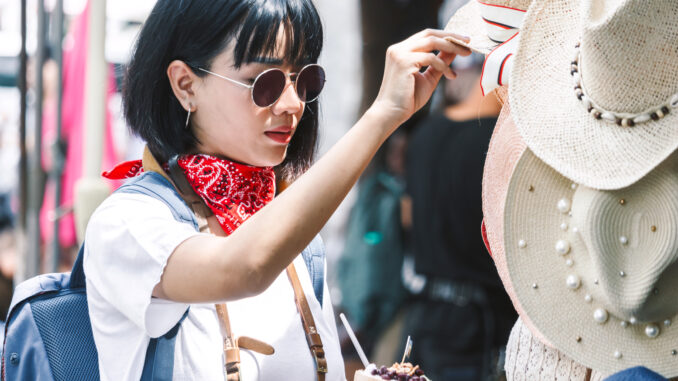

Asian fashion has long been admired for its rich history, cultural diversity, and artistry. From the silk-laden landscapes of China to the intricate garments of Japan and the vibrant streetwear culture of South Korea, the allure of Asian fashion is undeniable. The growing global interest in Asian fashion is not just a fleeting trend, but a testament to the power of traditional techniques, modern reinterpretations, and a fusion of heritage with contemporary influences.
A Journey Through Asian Fashion History
Fashion in Asia is deeply intertwined with its diverse cultures and historical narratives. Traditional Asian attire often carries symbolic meaning, reflecting the values, customs, and artistic practices of the people who wear them.
- China: One of the most iconic symbols of Chinese fashion is the cheongsam (or qipao). Originating in the 1920s, the cheongsam has evolved from a practical dress to a symbol of elegance and femininity. The art of silk weaving, dating back over 2,000 years, has also played a crucial role in the development of China’s textile industry, making it a key player in global fashion.
- Japan: The kimono stands out as one of the most iconic garments in Asian fashion. This traditional attire, with its intricate patterns and long sleeves, reflects Japan’s deep appreciation for craftsmanship. The beauty of the kimono lies in its seasonal variations and the delicate art of folding, which gives each outfit a sense of purpose and storytelling.
- India: In India, fashion is a vibrant mix of textiles, colors, and embroidery. The saree is a symbol of grace, worn by women across the country for centuries. The lehenga choli and salwar kameez are other prominent garments that highlight the importance of fabric, draping techniques, and regional differences in Indian fashion. India’s history as a key textile producer, from block printing to embroidery, contributes immensely to the appeal of its fashion.
Fusion of Tradition and Modernity
In recent years, traditional Asian garments have undergone a transformation, blending timeless designs with modern aesthetics. The fusion of tradition and modernity has brought Asian fashion to the global stage, making it both fashionable and accessible.
Modern Cheongsams:
Today, designers are pushing the boundaries of the classic cheongsam, experimenting with materials, cuts, and colors to appeal to a global audience. The garment has made its way onto the red carpet, seen worn by celebrities and fashion icons, merging the ancient with the avant-garde.
Kimono-Inspired Pieces:
Designers in the West and Asia alike have adopted kimono-inspired pieces, which have made their way into high-fashion collections. The loose-fitting design, wide sleeves, and delicate fabric used in kimono-inspired dresses add a layer of elegance and comfort that has been appreciated by many.
Streetwear Influence:
Countries like South Korea and Japan have become renowned hubs for cutting-edge streetwear, influencing global fashion trends. The Harajuku district in Tokyo has long been known for its unique and eclectic street styles, often mixing traditional elements with modern cuts. K-pop and K-drama stars have played a significant role in promoting Asian fashion globally, with fans eagerly embracing their signature looks.
Key Asian Fashion Influencers and Designers
The rise of global fashion brands and influencers from Asia has contributed significantly to the worldwide appreciation of Asian fashion. Here are a few notable figures:
- Vivienne Tam: A Hong Kong-born designer, Vivienne Tam blends traditional Chinese influences with Western fashion sensibilities. Her collections are a celebration of her heritage, often featuring vibrant prints and symbolic motifs.
- Issey Miyake: Renowned for his innovation in fashion, Japanese designer Issey Miyake is known for creating groundbreaking collections that use pleating techniques, unique fabrics, and bold silhouettes. His designs have made a lasting impact on both Asian and global fashion.
- Ji Ahn: A designer who has gained prominence in South Korea, Ji Ahn brings a modern twist to traditional Korean clothing. Her work incorporates minimalist designs with subtle references to hanbok, the traditional Korean dress.
- Bulgari: Although Bulgari is an Italian brand, its collections often feature Asian-inspired motifs. The influence of Eastern design can be seen in its jewelry lines, where the marriage of Eastern and Western aesthetics creates a harmonious blend.
Fashion’s Cultural Significance in Asia
In Asia, fashion has always been a reflection of cultural values and beliefs. In many Asian countries, the concept of modesty and respect is deeply embedded in fashion choices. In countries like Japan, Korea, and India, the way one dresses can carry symbolic significance related to one’s social status, age, and even the occasion.
Symbolism of Colors:
Colors play a significant role in Asian fashion. In China, red symbolizes prosperity and happiness, while in India, colors like gold and maroon are associated with weddings and festivals. In Japan, the color of a kimono may indicate the season or one’s social status.
Fashion for Festivals:
Many traditional Asian garments are worn during festivals or special occasions. For example, in Japan, the yukata (a casual kimono) is worn during the summer Obon festival, while in India, the saree is often worn during religious and cultural celebrations.
The Future of Asian Fashion
The future of Asian fashion seems incredibly promising. As Asia continues to lead in areas such as technology, design innovation, and sustainability, the fashion industry is poised to be at the forefront of global trends.
- Sustainability: More Asian designers are beginning to prioritize sustainable practices, utilizing eco-friendly materials, ethical production methods, and promoting a slow-fashion ethos. Brands are focusing on both preserving traditional techniques and developing new, sustainable ways to produce fashion.
- Global Influence: Asian fashion is expected to have an even greater influence on global markets in the coming years. As more Asian cities like Seoul, Tokyo, and Shanghai emerge as fashion capitals, they will continue to push boundaries and redefine global fashion norms.
Conclusion
Asian fashion is a beautiful blend of history, culture, and innovation. Its growing influence on the global fashion scene is a reflection of its timeless appeal and versatility. Whether it’s the elegance of a kimono, the intricacy of a saree, or the daring edge of Korean streetwear, the world of Asian fashion is rich with stories, artistry, and a deep sense of tradition.
By exploring the allure of Asian fashion, we not only appreciate the craftsmanship of garments but also gain a deeper understanding of the cultures and histories that have shaped them. As Asian fashion continues to evolve, it’s clear that it will remain a powerful force in the global fashion industry for years to come.